A new line of advanced ceramic membranes is now available for solvent filtration in demanding industrial applications. These membranes offer strong chemical compatibility and can handle aggressive solvents that often damage traditional polymer-based systems. The technology was developed to meet growing needs in sectors like pharmaceuticals, petrochemicals, and specialty chemicals.
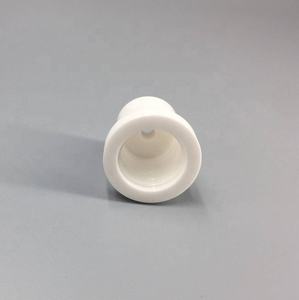
(Advanced Ceramic Membranes for Solvent Filtration Provide Chemical Compatibility)
The ceramic membranes are built to last. They resist corrosion from acids, bases, and organic solvents across a wide pH range. This durability means longer service life and fewer replacements. Operators also benefit from stable performance under high temperatures and pressures, which are common in industrial processes.
Unlike standard filters, these ceramic units maintain consistent pore structure even after repeated cleaning cycles. This feature ensures reliable separation efficiency over time. The design supports both cross-flow and dead-end filtration setups, giving users flexibility in system integration.
Manufacturers report reduced downtime and lower maintenance costs since switching to the new membranes. Cleaning is simpler and less frequent thanks to the material’s inert surface. This also helps keep product purity high, which is critical in sensitive applications like drug manufacturing.
The membranes come in multiple configurations to suit different flow rates and separation targets. Each unit undergoes strict quality checks before shipping. Early adopters say the switch has improved their process reliability and cut operational expenses.
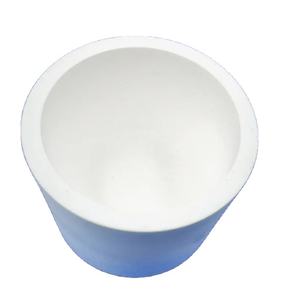
(Advanced Ceramic Membranes for Solvent Filtration Provide Chemical Compatibility)
This innovation marks a step forward in filtration technology. It addresses long-standing challenges with solvent stability and membrane degradation. Companies looking to upgrade their separation systems now have a robust option that performs well in harsh chemical environments.