Technical ceramic components are proving essential in oil and gas extraction equipment due to their strong resistance to corrosion and erosion. These parts face harsh conditions underground and at sea, where exposure to saltwater, acidic gases, and abrasive particles can quickly wear down standard metals. Traditional materials often fail under such stress, leading to costly repairs and downtime.
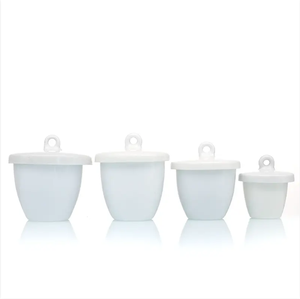
(Technical Ceramic Components Resist Corrosion and Erosion in Oil and Gas Extraction Equipment)
Ceramic parts made from materials like alumina, zirconia, and silicon carbide offer a reliable alternative. They do not rust or degrade when exposed to corrosive fluids. Their hardness also helps them withstand constant particle impact without chipping or wearing thin. This durability means longer service life and fewer replacements.
Operators in the oil and gas industry are turning to these ceramics for critical applications. Examples include valves, seals, pump components, and linings inside pipelines. In offshore drilling rigs and subsea systems, where maintenance is difficult and expensive, ceramic components reduce the need for frequent interventions. Onshore facilities handling sour gas or high-salinity water also benefit from this technology.
Manufacturers report growing demand for ceramic solutions as companies aim to cut operational costs and improve safety. The parts are engineered to precise specifications so they fit seamlessly into existing systems. Testing shows they maintain performance even after months of continuous use in aggressive environments.
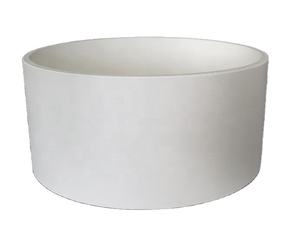
(Technical Ceramic Components Resist Corrosion and Erosion in Oil and Gas Extraction Equipment)
Because of these advantages, technical ceramics are becoming a standard choice in new extraction projects. Their adoption supports more efficient and sustainable operations across the sector.